
I’ll never forget the spring I planted a gorgeous magnolia tree in my backyard, only to watch it struggle through that first winter. A neighbor gently asked, “Did you check if it’s hardy for our zone?” I had no idea what she meant. That conversation led me to the USDA Plant Hardiness Zone Map, and it completely changed how I garden.
The USDA gardening zones map divides North America into 13 distinct planting zones based on average annual minimum winter temperatures. Each zone represents a 10-degree Fahrenheit difference, with subzones (a and b) providing even finer detail at 5-degree intervals. If you live in Zone 6a, for example, your coldest winter temperatures typically drop between negative 10 and negative 5 degrees Fahrenheit. This simple number tells you which perennials, trees, and shrubs can survive winter in your area.
The most recent version of the map, released in 2023, uses temperature data from 1991 to 2020. Many gardeners noticed their zones shifted compared to the previous 2012 map, with some areas moving half a zone warmer. This reflects actual climate patterns over the past three decades.
Finding your zone takes about 30 seconds. Visit the USDA’s interactive map online, type in your zip code, and you’ll see exactly where you fall. I keep mine bookmarked because I reference it constantly when shopping for plants or browsing seed catalogs.
Here’s what makes this tool so valuable: nearly every plant tag, catalog entry, and gardening guide references USDA zones. When a plant label says “hardy in zones 5 through 9,” you instantly know whether it’ll survive your winters.
But zones tell only part of the story. They measure winter cold, not summer heat, humidity, rainfall, or those surprise late frosts that catch us off guard. I’ve learned this through plenty of trial and error in my own garden, and I’d love to hear your experiences too. What zone surprises have you encountered?
What the USDA Plant Hardiness Zone Map Actually Tells You
The USDA Plant Hardiness Zone Map sounds complicated, but it’s built on a single, straightforward piece of data: how cold it gets in winter where you live.
Specifically, the map looks at the average annual extreme minimum winter temperature for each location. That’s a mouthful, but it just means the coldest temperature typically recorded each year. The USDA gathered decades of weather data, crunched the numbers, and divided the country into zones based on these cold extremes.
Each zone represents a 10-degree Fahrenheit range. Zone 5, for example, covers areas where winter lows average between negative 20 and negative 10 degrees F. To give even more precision, each zone is split into two half zones (labeled a and b) that represent 5-degree ranges. So Zone 5a runs from negative 20 to negative 15 degrees, while Zone 5b covers negative 15 to negative 10 degrees.
Here’s what catches many gardeners off guard: the map tells you only about cold hardiness. It doesn’t account for summer heat, humidity, rainfall, growing season length, or soil conditions. When a plant tag says “hardy to Zone 5,” it’s telling you that plant can typically survive Zone 5 winter lows, nothing more.
I learned this the hard way when I moved from Zone 6 to Zone 8. I assumed the warmer winter zone meant everything would grow better, but some of my favorite perennials actually struggled with the humid summers and mild winters they needed a proper cold period to thrive.
The map is a starting point, a shared language that helps nurseries, seed companies, and gardeners communicate about cold tolerance. It’s incredibly useful for ruling out plants that won’t survive your winters, but it’s not the whole story of what will flourish in your specific garden.
How to Use the USDA Gardening Zones Map (It’s Easier Than You Think)
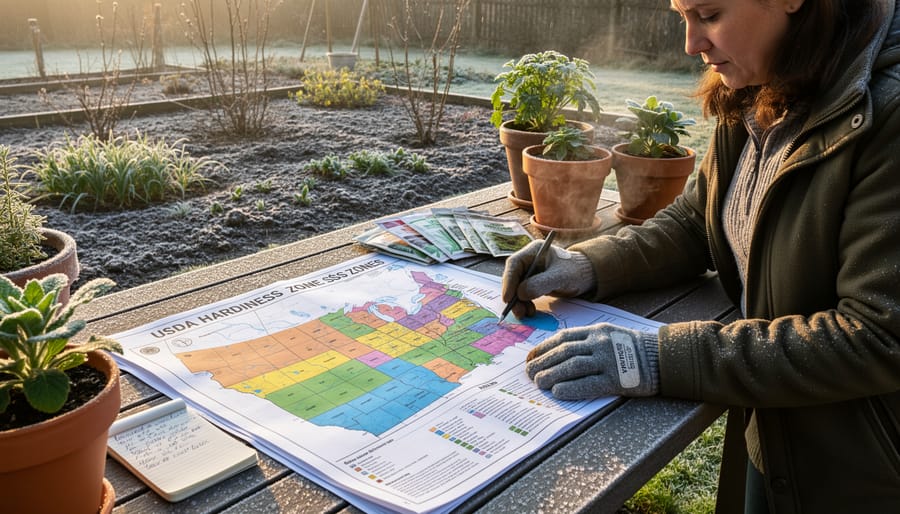
Finding your zone on the 2023 USDA map takes less than a minute, and I promise it’s much simpler than programming your sprinkler timer. The first time I looked up my zone, I expected some complicated process involving coordinates and calculations. Instead, I was staring at my zone number in about 30 seconds flat.
The fastest method is the zip code search. Head to the official USDA Plant Hardiness Zone Map site and you’ll see a search box right at the top of the interactive map. Type in your zip code, hit enter, and boom, the map zooms directly to your location with your zone displayed. You’ll see both your main zone (like Zone 7) and your half-zone (such as 7a or 7b), which gives you that extra precision for choosing plants right at the edge of hardiness.
If you prefer a more visual approach or your property spans a large area, try clicking directly on the map itself. The interactive version lets you zoom in and pan around, then click your exact location to see the zone information. This method is particularly handy if you’re curious about a friend’s garden across the state or want to compare zones at different elevations near you.
Here’s the basic process broken down:
- Visit the official USDA Plant Hardiness Zone Map at planthardiness.ars.usda.gov
- Enter your zip code in the Quick Zip Code Search box, or click directly on your location on the interactive map
- View your zone results, which will show both the 10-degree zone and your specific 5-degree half-zone
- Note whether you’re in the warmer “b” half or cooler “a” half of your zone for more targeted plant selection
For gardeners who like to plan offline or want a printable reference, the Map Downloads section offers state, regional, and national maps in high resolution. These downloadable PNG files work great for marking up with notes about microclimates in your yard or sharing with gardening club members.
Now, what if you live right on the border between two zones? I see this question constantly in our community. My advice: know both zones and use the colder one as your baseline for perennials you can’t afford to lose. You can always experiment with plants from the warmer zone in protected spots, but your foundation plantings should handle the tougher zone’s winters. Check the map at your exact property location rather than relying solely on zip code, since those boundaries can run right through neighborhoods.
Understanding the 2023 USDA Map Update
The 2023 USDA Plant Hardiness Zone Map is the current standard that gardeners should reference in 2026. This latest version replaced the 2012 map and brought significant refinements based on more weather station data and updated climate records spanning 1991 through 2020. When the updated map arrived, many gardeners discovered their zones had shifted, some moved up a half zone warmer, while others saw no change at all.
I remember the buzz in our local gardening group when the 2023 map came out. A few long-time gardeners insisted their zone hadn’t changed because their winters felt the same. But when they actually checked the new map, half of them found they’d shifted from Zone 6a to 6b. That half-zone difference opened up new plant possibilities they’d previously written off as too tender for their gardens.
Here’s why checking the current 2023 map matters even if you’ve been gardening in the same spot for decades: the zone boundaries are based on 30 years of temperature data, and as those data windows shift forward in time, the averages change. Your physical location hasn’t moved, but the climate analysis has updated. The 2023 map also improved accuracy by incorporating data from thousands more weather stations than the 2012 version, which means your specific neighborhood might be represented more precisely now.
If you haven’t verified your zone using the 2023 map, you could be working with outdated information. Take five minutes to look it up again. You might discover you’re actually in a slightly different zone than you thought, which could explain why certain plants have consistently struggled or why your neighbor’s supposedly marginal plants thrive year after year. The 2023 map is your current reality check.
Putting Your Zone Knowledge to Work in Your Garden
Once you know your zone, the real fun begins, using that information to make smarter plant choices and set your garden up for success. I still remember the first spring after I learned I was solidly in Zone 6b. I walked through the nursery with new eyes, actually reading those zone tags instead of guessing. The lavender I’d replaced three times? Rated for Zones 5-9, so the winter wasn’t the problem, my heavy clay soil was. That Japanese maple I’d been eyeing nervously? Hardy to Zone 5. Suddenly I had the confidence to bring it home, and it’s thrived for eight years now.
Start by checking plant tags every single time you shop. Most perennials, shrubs, and trees list their hardiness zones right on the label. If a plant says Zones 5-8 and you’re in Zone 6, you’re in the sweet spot. You can also push boundaries intentionally, I’ve had great luck with Zone 7 plants in my Zone 6b garden by planting them in a protected spot near the house foundation, but I go in knowing it’s an experiment. When you’re investing in garden furniture and planning permanent features like a garden around a barbecue choosing zone-appropriate plants for the surrounding beds ensures everything looks good year after year without constant replanting.
Your zone knowledge helps with several practical decisions:
- Reading plant tags and seed packets to confirm hardiness matches your zone
- Choosing perennials that will reliably return each spring without winter protection
- Timing fall plantings so roots establish before your zone’s first hard freeze
- Selecting shrubs and trees as long-term investments you won’t lose to cold snaps
- Planning which tender plants need containers you can move indoors
For annuals and vegetables, zones matter less since you’re replanting each year anyway. But even here, knowing your average last frost date (tied to your zone) helps you time tomato transplants and direct-sow lettuce at the right moment.
The zone number also guides your lawn maintenance cool-season grasses thrive in Zones 3-6, while warm-season varieties dominate Zones 7-10. I’d love to hear what zone-perfect plants have become stars in your garden, or which zone-pushing experiments surprised you. Every region has its microclimates and quirks, and sharing what actually works in your specific zone helps all of us garden smarter.
Beyond the Zone Map: What It Doesn’t Tell You
I learned this the hard way a few years back when I planted supposedly zone-appropriate lavender that promptly drowned in my humid Southern summer rains. The USDA zone map told me I was golden, but it left out some crucial details that would have saved me time, money, and disappointment.
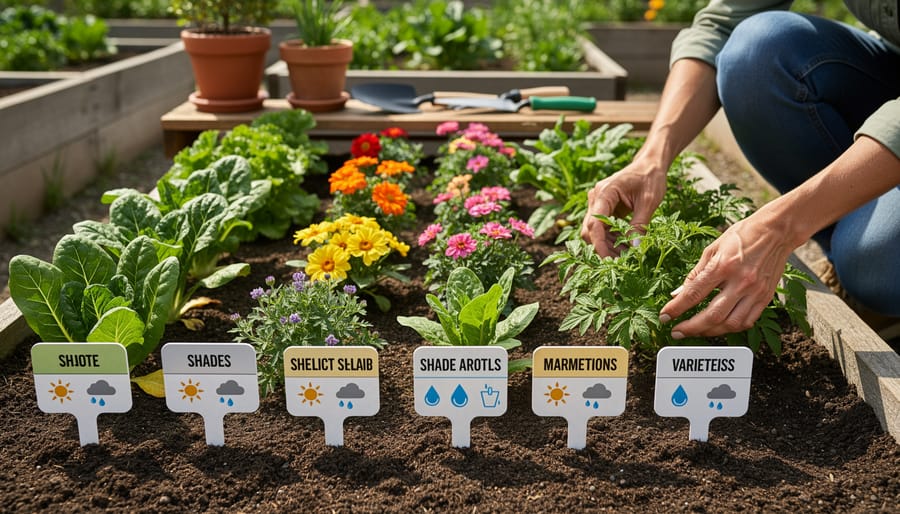
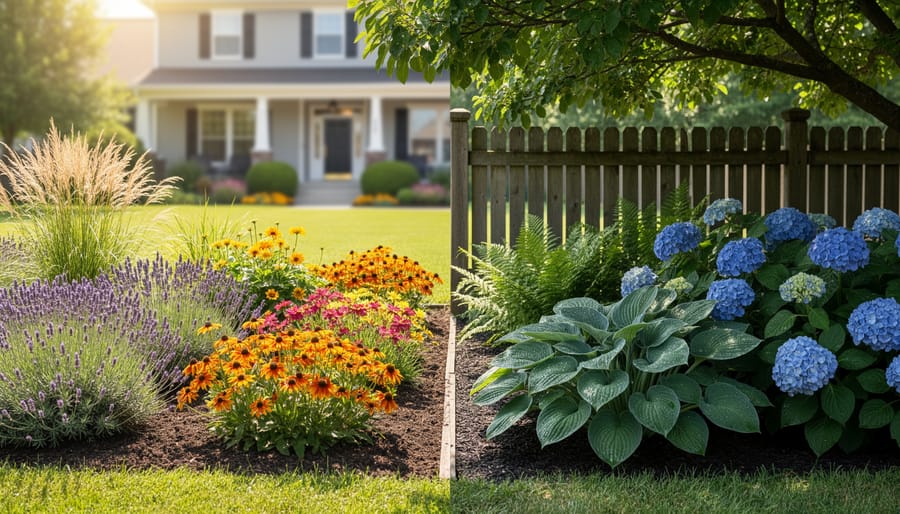
Here’s what the zone map doesn’t capture: heat. While it tells you how cold your winters get, it says nothing about your summer highs or how many scorching days you’ll endure. A gardener in Portland, Oregon and one in Atlanta, Georgia might share the same zone, but their summer heat experiences couldn’t be more different. That matters enormously for plants that struggle in sustained heat or humidity.
The map also ignores rainfall patterns and humidity levels. A zone 7 garden in arid Colorado faces completely different moisture challenges than a zone 7 garden in rainy North Carolina. You might need sophisticated water irrigation systems in one location while managing drainage issues in the other, even though you share a zone designation.
Microclimates throw another wrench into zone-only planning. Your backyard likely contains multiple microclimates, that south-facing wall that stays warm all winter, the shaded north side that feels a full zone cooler, the low spot where frost settles. I’ve successfully grown zone 8 plants in my zone 7 garden simply by tucking them against a brick wall that radiates stored heat.
Soil conditions matter tremendously too. Heavy clay that stays wet in winter can kill a supposedly hardy plant faster than cold temperatures alone. Sandy soil that drains quickly might protect roots that would rot in heavier ground.
Think of the zone map as your starting point, not your final answer. It gives you the winter hardiness baseline, but you’ll need to layer in your local summer conditions, typical rainfall, soil type, and those sneaky microclimates to make truly informed planting decisions. The best education comes from observing what thrives in your neighbors’ gardens and experimenting yourself.
Common Questions About USDA Gardening Zones
I love when gardeners ask questions about zones because it means they’re thinking beyond just “which number am I?” and starting to understand how zones fit into the bigger picture of successful gardening. Here are the questions that come up again and again in my conversations with fellow gardeners.
Can I grow plants from one zone warmer than mine?
Yes, you can often push one zone warmer with protection like mulch, windbreaks, or strategic placement near south-facing walls. Success varies by plant type and your specific microclimate, so start with a few experimental plants rather than redesigning your whole garden.
Do USDA zones apply to vegetables?
Zones are designed for perennials that survive winter, not annual vegetables. For vegetables, focus on your frost dates and growing season length instead, though zones can help you determine which perennial crops like asparagus or artichokes will thrive.
What about container gardens, do zones matter?
Containers above ground experience more extreme temperatures than in-ground plants, so treat potted perennials as if you’re one zone colder. Bring tender containers into a garage or basement for winter, or plan to replant them as annuals.
How do I create microclimates to expand what I can grow?
South-facing walls absorb heat and provide shelter, raised beds warm faster in spring, and evergreen hedges block cold winds. Even a simple stone path or water feature can moderate temperatures in a small area, letting you grow plants that technically shouldn’t survive your zone.
The zone-pushing question deserves extra attention because I’ve seen gardeners succeed and fail at this in equal measure. If you’re in Zone 6 and absolutely must try that Zone 7 rose, give it the best possible conditions: excellent drainage, protection from winter wind, a thick layer of mulch after the ground freezes, and a spot that doesn’t get blasted by morning sun when it’s frozen. I’ve kept plants alive this way for years, but I’ve also lost expensive specimens to a single brutal winter. Consider it an experiment, not a guarantee.
When planning a baby-safe garden or any specialized planting scheme, remember that zone recommendations on plant tags are conservative guidelines, not absolute rules. I routinely grow plants rated for one zone warmer by choosing sheltered spots and providing winter protection, but I also keep backup plants of my favorites because nature doesn’t always cooperate.
The timing question about when to push boundaries matters too. Spring-planted perennials have a full growing season to establish roots before winter, giving them better odds than fall transplants. If you’re experimenting with borderline plants, get them in the ground by early summer at the latest.
If you haven’t already, take five minutes today to look up your zone on the official USDA map. It’s free, it’s easy, and it genuinely changes how you approach every plant purchase and garden plan. I promise you’ll start noticing those little zone tags everywhere you shop.
But here’s the thing I want you to remember: your zone isn’t a cage. It’s a starting point. Some of my favorite gardening conversations have been with folks who push their zones just a little, wrapping a fig tree, mulching a borderline rose, tucking a tender perennial against a south-facing wall. And I love hearing about the plants that thrive effortlessly right in the middle of their recommended range.
I’d genuinely love to know what zone you’re in and what’s working (or not working) in your garden. Drop a comment and share your zone-pushing adventures or your perfectly-suited favorites. When we share these stories, we all learn something new about what’s possible in our own backyards.
So go ahead: check that map, figure out your zone, and start planning your 2026 garden with real confidence. You’ve got this.