

Finding the right gardening rake in 2026 doesn’t mean wandering through endless hardware store aisles hoping something catches your eye. Amazon currently stocks over 300 specialized rake models with verified customer reviews, while Home Depot and Lowe’s carry exclusive 2026 lines you can reserve online and pick up the same day. I learned this the hard way last spring when I grabbed the first rake I saw at a local shop, only to discover its narrow head couldn’t handle my clay-heavy vegetable beds and the tines bent after three uses.
The secret to finding your perfect rake lies in matching specific features to your garden’s needs, then knowing exactly which retailers stock those models with reliable availability. Shopping for rakes has transformed from guesswork into strategic buying. You can now filter by garden size, soil type, and even ergonomic handle designs across major retailers’ websites before spending a dime.
This guide cuts through the marketing fluff to show you which 2026 top-rated rakes actually deliver for different gardening scenarios, where to buy them with the best pricing and stock availability, and how to avoid common purchasing mistakes that waste money. Whether you’re working compact raised beds or sprawling properties, I’ll share the exact retailers and models that make sense for your situation. Before you buy any garden tool, though, consider checking out these garden safety fixes to ensure your space stays protected.
Let’s jump into where smart gardeners are shopping right now.
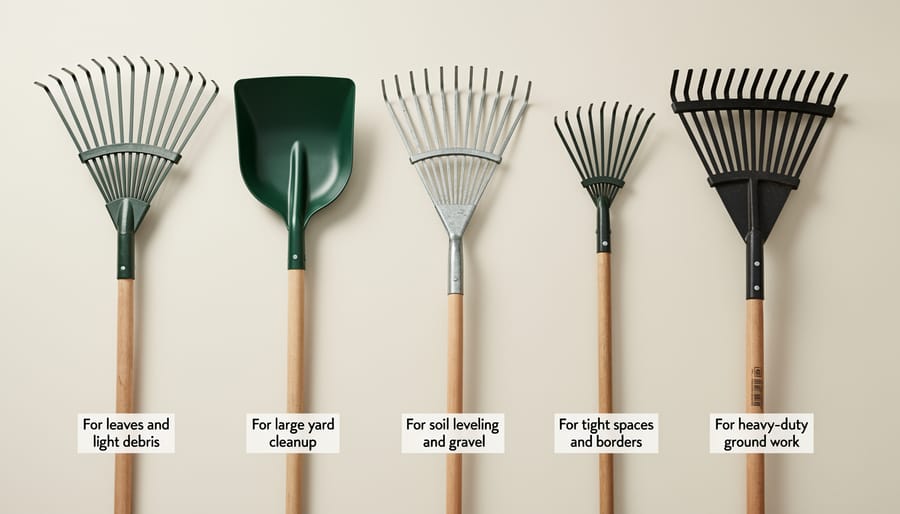
Understanding Rake Types for Different Garden Maintenance Tasks
Choosing the right rake transforms tedious garden chores into efficient, satisfying work. I learned this after wrestling with the wrong tool for an hour, trying to level a garden bed with a flimsy leaf rake that bent with every pass. The frustration ended when I grabbed a proper bow rake, and suddenly the job took ten minutes.
Bow rakes are the workhorses for soil preparation. Their short, sturdy steel tines break up clumps, spread amendments, and grade beds smooth before planting. If you’re building raised beds, preparing vegetable rows, or spreading mulch evenly, you need a bow rake. They handle the heavy lifting that would destroy lighter tools.
Leaf rakes, with their flexible plastic or metal fan of tines, excel at one thing: gathering lightweight debris without damaging grass or disturbed soil. They’re essential for fall cleanup, collecting grass clippings, and clearing pathways. Don’t make my mistake of trying to use one for soil work.
Landscape rakes feature wider heads with closely-spaced tines, designed for grading large areas and spreading materials like topsoil or gravel. They’re particularly useful if you’re establishing new lawns or reshaping garden contours, though most smaller gardens can manage without one.
Thatch rakes have sharp, knife-like tines that slice into lawn surfaces to pull up the layer of dead grass and organic matter choking your turf. Healthy lawns need occasional dethatching, and while powered versions exist, a manual thatch rake works perfectly for typical yard sizes.
The verified best rakes of 2026 from retailers like Amazon and Home Depot come in these categories, which we’ll cover next with specific purchasing information.
Top Gardening Rakes for 2026: Where to Buy Them
Best Overall: Truper Tools Tru Tough EMX-24F-LW
The Truper Tools Tru Tough EMX-24F-LW earned its spot as the top-rated gardening rake for 2026 by delivering the kind of reliability that matters when you’re halfway through breaking up a stubborn garden bed. I learned years ago that the worst time to discover your rake can’t handle the job is when you’re committed to a full day of soil prep, and this model addresses that frustration head-on.
You can check current pricing on Amazon, where this rake has become a go-to choice for gardeners who need versatility across different tasks. What sets it apart from the competition is its combination of solid construction and the 25-year warranty coverage that backs up the manufacturer’s confidence in the tool’s longevity. That’s not a warranty you see every day, and it speaks volumes about durability.
This rake handles the full spectrum of garden maintenance work, from leveling soil beds and spreading mulch to breaking up clods after tilling. The head design works well whether you’re smoothing out raised beds or tackling larger yard projects. It’s the kind of tool that doesn’t make you think twice before using it on demanding tasks, which is exactly what you want in a rake that serves as your primary garden workhorse.
Fiskars 96605935J: Lifetime Warranty Option
The Fiskars 96605935J stands out for a reason that matters to serious gardeners: a lifetime warranty. I’ve replaced tools over the years because warranties ran out just when I needed them most, so this feature alone makes the Fiskars worth considering. The manufacturer backs this rake for as long as you own it, which signals genuine confidence in durability.
You can check prices and availability for the Fiskars 96605935J at Home Depot, making it easy to see in person before buying if you prefer. That’s particularly helpful since you can assess the handle length and overall feel firsthand. The lifetime warranty coverage means you’re investing in a tool that should last through countless seasons of garden work, from spring soil prep to fall cleanup.
What makes this a solid choice beyond the warranty? The Fiskars combines reliable construction with thoughtful design elements that make garden tasks less exhausting. It handles the repetitive work of leveling beds and clearing debris without the nagging worry that you’ll need a replacement in a few years when the warranty expires.
Razor-Back 2915200: Heavy-Duty Performance
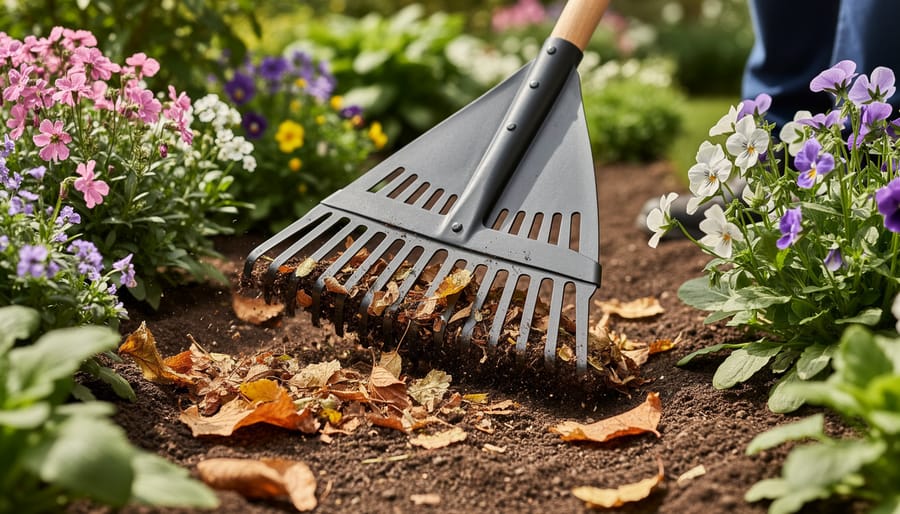
The Razor-Back 2915200 earned its spot on the 2026 best rakes list for good reason. When you’re facing tough jobs like breaking up compacted soil or clearing heavy debris, this is the rake that won’t quit on you.
You can check prices and availability for the Razor-Back 2915200 at Home Depot, making it easy to pick up during your next run for supplies or have it delivered to your door. I’ve found Home Depot particularly reliable for stocking these workhorse tools year-round.
What sets this rake apart is its build quality for demanding garden work. Whether you’re preparing a new bed in hard-packed clay or clearing thick layers of wet leaves after a storm, the Razor-Back handles the kind of abuse that would bend lesser tools. The construction targets gardeners who need reliable performance season after season, not just casual weekend users.
If your garden maintenance regularly involves heavy-duty tasks, the Razor-Back 2915200 deserves serious consideration. It’s built for gardeners who actually use their tools hard rather than those who simply own them.
Bully Tools 92630: Professional-Grade Option
The Bully Tools 92630 stands out as the professional-grade choice for serious gardeners who demand equipment that can handle daily, year-round use. You can check current pricing on Amazon, where this rake consistently earns recognition in professional tool reviews.
I’ve watched neighbors upgrade to the Bully Tools model after wearing out lighter rakes, and the difference is immediately obvious. This rake targets gardeners who maintain larger properties, work with challenging soil conditions regularly, or simply refuse to replace tools every few seasons. If you’re someone who tackles heavy soil preparation, manages extensive vegetable beds, or routinely clears debris from large areas, the professional-grade construction justifies the investment.
The typical buyer for this model isn’t looking for their first rake. Instead, they’re usually upgrading after learning what cheap tools cost them in time and frustration. Commercial landscapers and market gardeners often choose this category of rake because downtime for broken equipment directly affects their productivity. Home gardeners with ambitious projects find the same reliability valuable, especially when they’re managing multiple garden zones that each demand different maintenance tasks throughout the season.
Other Notable Mentions from 2026 Reviews
While the four rakes we’ve covered represent the cream of the crop, 2026 reviews highlighted several other solid performers worth considering. Many gardeners swear by models that didn’t quite make our featured list but still earned high marks for specific strengths. Some excel at particular tasks like thatch removal or fine grading work, while others offer budget-friendly entry points without sacrificing quality. The good news is that major retailers like Amazon and Home Depot stock a range of well-reviewed options beyond our top picks. When I’m browsing for specialty tools, I’ve learned to check recent customer reviews alongside professional best-of lists because gardeners are remarkably honest about what holds up through multiple seasons. The take-home here is that you’ve got choices, and the 2026 market offers quality at various price points depending on your specific needs and how often you’ll use the tool.
Matching Your Rake to Your Soil Type
Heavy Clay Soils: What to Look For
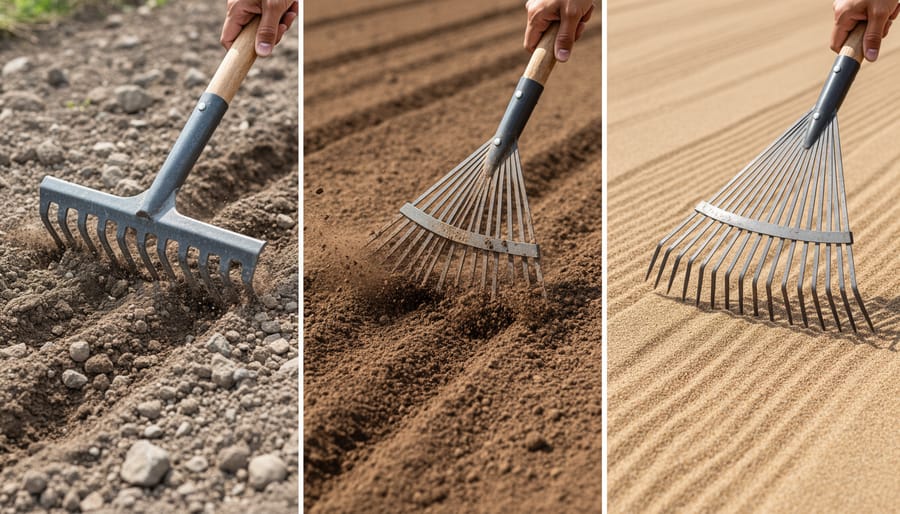
Clay soil can be incredibly stubborn to work with. When I first tackled our backyard’s thick clay, my lightweight rake bent after about ten minutes of leveling. That taught me the features that actually matter.
Look for thicker steel tines that won’t flex or bend when breaking up compacted chunks. Many gardeners mistakenly think any rake will do, but clay demands more durability. The head should be welded or firmly attached, not just bolted on, because you’ll be applying real force with each stroke.
A comfortable grip makes a bigger difference than you’d expect. Clay soil requires more passes and more pressure than loose soil, so your hands will notice. Rubber or cushioned handles reduce fatigue when you’re spending an hour prepping beds. The weight matters too, heavier isn’t always better, but a rake that feels too light probably won’t stand up to repeated clay work.
Check the warranty when shopping. A 25-year or lifetime guarantee signals the manufacturer believes their tool can handle tough conditions, which is exactly what clay soil demands from your equipment.
Sandy and Loose Soils: Lighter Options Work Well
Working with sandy soil is considerably easier than dealing with heavy clay, which means you don’t need to invest in the beefiest rake on the market. Lighter models with slightly narrower tine spacing work perfectly fine for spreading mulch, smoothing seed beds, or gathering fallen leaves from sandy garden areas. The real trick with sandy soil is knowing when to stop. Over-raking can disrupt the soil structure you’re trying to maintain and bring weed seeds to the surface where they’ll happily germinate.
I learned this after spending an entire afternoon meticulously raking my sandy vegetable beds into what I thought was perfection. Two weeks later, I had more weeds than vegetables. Now I rake just enough to level the surface and incorporate amendments, then leave it alone. A standard bow rake or even a lighter leaf rake handles most sandy-soil tasks without the back strain that comes from wielding heavy-duty tools all day.
Rocky or Root-Filled Soil: Durability Matters
I learned about durable construction the hard way when I destroyed a cheap rake on our rock-studded hillside garden in a single afternoon. When you’re constantly striking buried rocks, old roots, or compacted clay laced with stones, your rake takes punishment that would barely register in softer soil conditions.
This is where warranty coverage becomes genuinely important rather than just marketing fluff. Those 25-year and lifetime warranties on models like the Truper and Fiskars aren’t just generous gestures, they signal manufacturers standing behind construction quality. I’ve seen tines bend permanently, welds crack, and handles snap on lesser rakes in challenging conditions.
Look for forged steel tines rather than stamped ones, and pay attention to how the head connects to the handle. Ferrules (the metal sleeve joining the two parts) should be substantial, not flimsy sheet metal. In rocky soil, you’ll leverage against obstacles constantly, putting stress on every connection point. A good warranty won’t prevent damage, but it means you’re not buying replacements every season when you’re working genuinely tough ground.
Choosing Rake Size for Your Garden Space
Small Gardens and Raised Beds
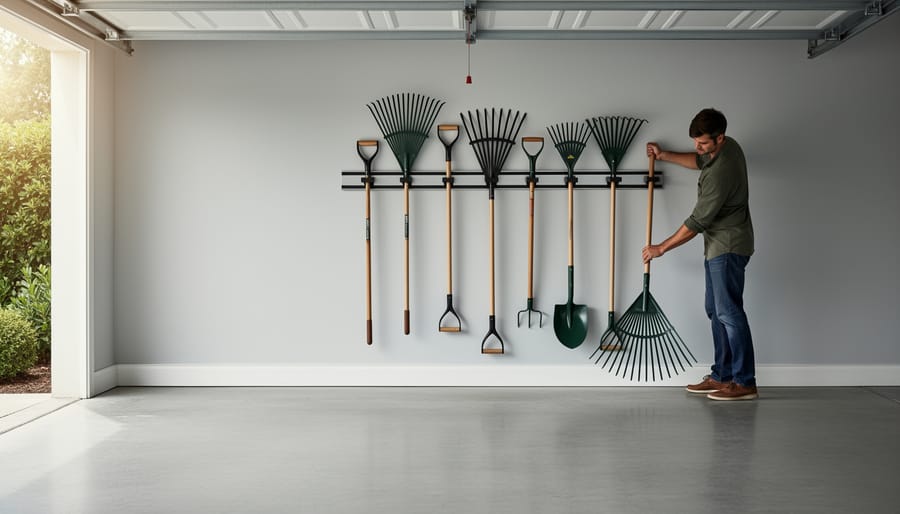
In tight quarters, a standard rake quickly becomes more hassle than help. I learned this managing my narrow raised beds and compact garden around a barbecue where maneuvering a full-size tool meant trampling plants or knocking over containers. Look for rakes with narrower heads, typically 8 to 10 inches wide, that slip between rows without damaging foliage. Shorter handles, around 48 inches or less, give you better control in confined areas and make storage simpler when you’re working with limited shed or garage space.
Weight matters more than you might think when working raised beds. You’re constantly reaching over walls and adjusting angles, so a lighter rake reduces arm fatigue during soil prep and cleanup. The trade-off is durability, but for small-space gardeners who aren’t breaking ground on rocky terrain, a lighter model handles leveling potting mix and gathering debris just fine without the bulk.
Medium-Sized Yards: The Versatile Middle Ground
Most gardeners fall into this sweet spot, gardens between 500 and 5,000 square feet where a standard 14- to 16-inch rake head covers ground efficiently without exhausting you. I’ve found this size strikes the perfect balance for vegetable patches, perennial borders, and small lawns.
A 54- to 60-inch handle works well here, letting you maintain good posture while reaching into beds without constantly bending. The Truper Tools Tru Tough that topped the 2026 reviews hits these dimensions perfectly, making it versatile enough for leveling soil one day and clearing leaves the next. You’re not wrestling with an oversized tool in tight corners, yet you’re not making endless passes to cover your beds.
For this garden size, durability becomes increasingly important because you’ll use your rake regularly across varied tasks, preparing beds in spring, spreading mulch in summer, and managing autumn leaves.
Large Properties: Efficiency and Durability
When you’re taking care of a large lawn or expansive garden beds, a wider rake head becomes your best friend. Look for heads 16 to 18 inches across, which let you cover more ground with each stroke without constant repositioning. The efficiency gain matters when you’re working an acre or maintaining extensive perennial borders.
Comfort becomes critical during extended sessions. Cushioned grips prevent blisters, and longer handles reduce the back strain that accumulates over hours of use. I learned this after spending a weekend preparing a half-acre vegetable plot with a short-handled rake. My lower back protested for days.
Warranty coverage matters more than most people realize when you’re putting in serious hours. Heavy use reveals weak points quickly. Those 25-year and lifetime warranties on the Truper and Fiskars models aren’t just marketing, they reflect confidence in durability that matches the demands of large-property maintenance.
Smart Shopping Tips: Beyond the Product Itself
Before you hit the checkout button, a few smart checks can save you headaches down the line. I learned this after ordering what looked like the perfect rake online, only to discover it was backordered for six weeks right when I needed to prep my spring beds.
Start by verifying actual availability, not just “in stock” labels. Check both the manufacturer’s website and major retailers like Amazon and Home Depot, since inventory can shift daily during peak gardening seasons. Local garden centers often carry the same models, and you can test the handle grip before buying, which matters more than you’d think when you’re working dense soil for an hour.
Warranty terms deserve a close read. That 25-year coverage on the Truper or lifetime warranty on the Fiskars means nothing if the registration process is complicated or requires receipts you’ll inevitably lose. Screenshot your order confirmation and register products immediately, the same way you might document details for bigger investments like water irrigation pumps.
Recent customer reviews tell you what warranty claims won’t: how handles hold up after a season, whether tines bend in rocky soil, if the head loosens with use. Sort by most recent and read the three-star reviews, which tend to be most honest about real-world performance across different conditions and USDA gardening zones.
Before finalizing your purchase, check these factors:
- Actual availability at your preferred retailer, not just generic “in stock” status
- Return policy specifics, especially for online orders you can’t test first
- Warranty registration requirements and what documentation you’ll need
- Handle comfort and grip style if buying in person
- Shipping costs that might make a local purchase more economical
Timing your purchase matters too. End-of-season sales in late fall often slash prices on quality rakes that will sit in inventory until spring. I’ve snagged professional-grade tools for 30 percent off simply by buying in November instead of March.
What’s worked for you when rake shopping? Did you find better deals locally or online, and were there any surprise factors that influenced your choice? Share your experiences in the comments, especially if you discovered a retailer with consistently good stock or customer service that made the difference.
Finding the right gardening rake isn’t about buying the most expensive option or the first one you see. It’s about understanding what your garden actually needs. Your soil type, the size of your space, and the specific maintenance tasks you tackle most often should guide your decision more than any marketing claims.
The good news? You don’t need to guess. The verified 2026 top performers from Bully Tools, Razor-Back, Fiskars, and Truper are all available at trusted retailers like Amazon and Home Depot, making it easy to get quality tools with solid warranties backing them up. Whether you need the Truper Tru Tough’s 25-year warranty for heavy clay work or the Fiskars lifetime guarantee for general use, you’ve got proven options ready to order.
Now I’d love to hear from you. Which rake did you end up choosing, and where did you find the best deal? Have you discovered a local retailer with better availability than the big chains? Share your experiences in the comments below, our community thrives when we help each other find practical solutions that actually work in our gardens.