
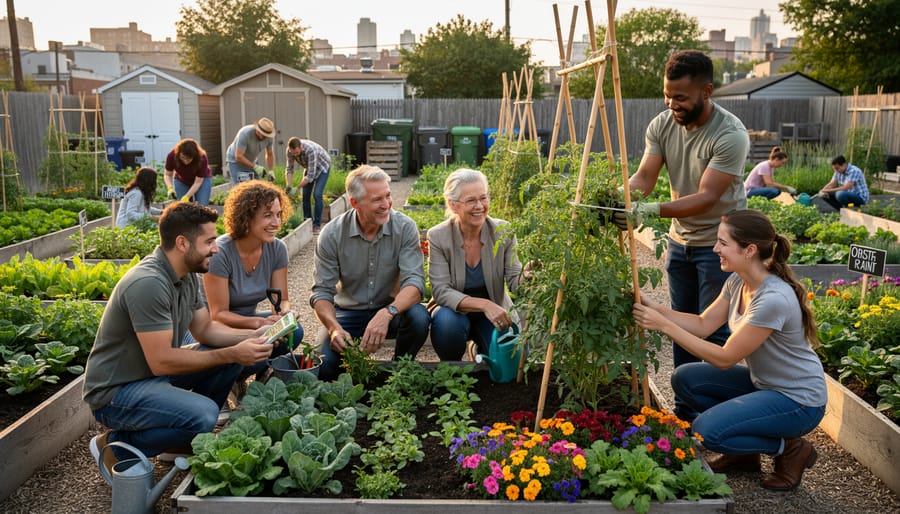
Picture your neighbor’s tomato expertise mingling with your soil knowledge while a retired teacher shares decades of composting wisdom—that’s social gardening in action. This collaborative approach transforms solitary digging into a vibrant exchange of seeds, skills, and Saturday mornings spent cultivating both vegetables and friendships.
Social gardening encompasses community gardens, allotment cooperatives, garden-sharing programs, and neighborhood growing circles where people unite around their passion for plants. Unlike traditional solo gardening, it thrives on shared resources, collective problem-solving, and the simple joy of watching your green space grow alongside meaningful connections.
I discovered this transformative approach three years ago when I joined a local community plot. Within weeks, I’d learned techniques that would have taken me years to discover alone—from companion planting strategies to identifying pest problems before they spiraled. More surprisingly, those Saturday work sessions became the highlight of my week, filled with laughter, potluck harvests, and genuine friendships that extended far beyond the garden gate.
Whether you’re a balcony gardener seeking access to larger growing spaces, a seasoned green thumb eager to mentor newcomers, or simply someone craving community connection, social gardening offers something remarkable. It addresses food security, combats isolation, beautifies neighborhoods, and creates spaces where knowledge flows as freely as the harvest.
The movement is growing rapidly, with opportunities ranging from established community gardens to informal tool-sharing networks waiting in every neighborhood. Ready to dig in?
What Makes Social Gardening Different from Regular Gardening
I’ll never forget the moment I truly understood social gardening. I was walking past a vacant lot in my neighborhood when I spotted a group of people laughing together while planting tomatoes. Curious, I stopped to chat and discovered they were transforming the space into a shared garden. Within minutes, someone handed me a trowel, and I found myself part of something beautifully different from my solitary backyard plot.
So what exactly sets social gardening apart from the traditional gardening many of us know? While regular gardening typically involves tending your own space with your own plants for your personal harvest, social gardening revolves around collaboration and community. Think of it as gardening with friends, neighbors, or even strangers who become friends through the shared experience of growing food and flowers together.
The heart of social gardening lies in several key elements that create its unique character:
- Shared Spaces
- Physical garden areas collectively managed by multiple people, whether in community plots, neighborhood green spaces, or even rooftop gardens where everyone contributes to the overall design and maintenance.
- Collective Decision-Making
- Group processes where members discuss and decide together what to plant, how to organize the space, and which sustainable practices to follow, ensuring everyone has a voice in the garden’s direction.
- Skill-Sharing
- The exchange of gardening knowledge and techniques among members, where experienced gardeners mentor beginners and everyone learns from each other’s successes and challenges.
- Crop Sharing
- The practice of distributing harvests among community members, sometimes equally and sometimes based on contribution, creating a sense of abundance and mutual support.
These elements combine to create something magical: a garden that feeds not just bodies but also builds genuine connections between people. Instead of weeding alone on a Saturday morning, you’re working alongside others, swapping stories about your lives while sharing tips about dealing with aphids. That transformation from isolated gardener to connected community member makes all the difference.
The Real Benefits That Keep People Coming Back
You know what keeps people showing up to community gardens week after week, even when their own backyards sit empty? It’s rarely just about the tomatoes.
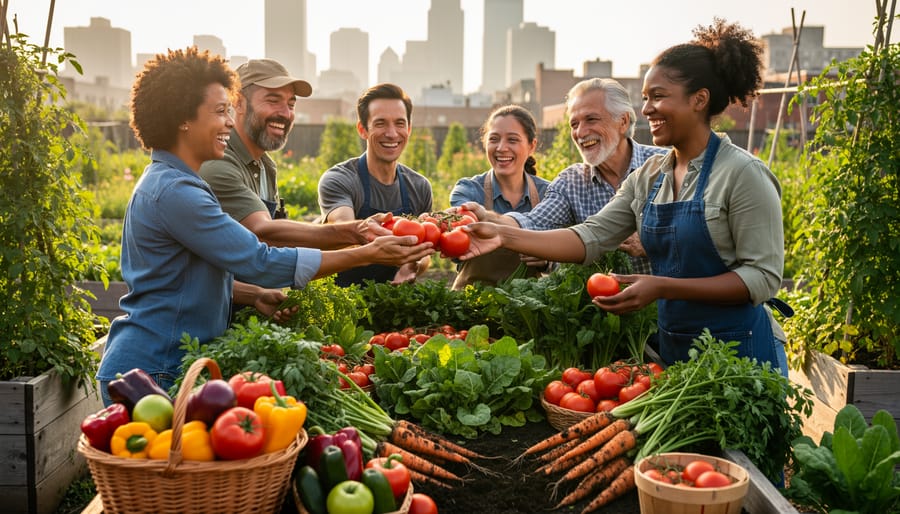
Sure, the fresh produce is fantastic. Maria, a member of the Riverside Community Garden in Portland, told me she saves about $40 a week on vegetables during peak season. “I’m growing things I could never afford at the farmers market, like heirloom tomatoes and specialty greens,” she says. That’s real money back in your pocket, plus you know exactly what went into growing your food.
But talk to any regular social gardener, and they’ll tell you the unexpected benefits are what transformed their lives. Take the mental health boost, for instance. There’s something almost magical about digging in soil alongside others that melts away stress. Research backs this up, but you don’t need studies when you can see the relaxed shoulders and easy laughter at any garden meetup. John, who joined a community plot after a difficult divorce, puts it simply: “Saturday mornings at the garden gave me a reason to get out of bed. The people there became my support system without even trying.”
The learning curve in social gardening is wonderfully gentle because you’ve got built-in mentors everywhere. Struggling with pest control? Someone three plots over has probably cracked that code. Curious about companion planting? The retired botanist in plot 7 loves sharing her knowledge. This organic knowledge-sharing beats any YouTube tutorial because you can ask follow-up questions and get advice tailored to your exact soil and climate.
And let’s talk about the physical activity angle. Gardening burns calories without feeling like exercise. You’re bending, lifting, digging, and hauling, all while chatting with friends. It’s a workout disguised as fun, perfect for people who dread traditional gyms.
Perhaps the most precious benefit is the genuine human connection. In our increasingly digital world, social gardening offers something rare: regular, meaningful face-to-face interaction with people who share your interests. You’ll celebrate each other’s first blooms, commiserate over unexpected frosts, and probably end up at potlucks featuring everyone’s harvest. These aren’t just gardening buddies; they become real friends.
Different Ways to Practice Social Gardening
Community Gardens and Allotments
Community gardens and allotments represent the most traditional form of social gardening, and they’re absolutely brilliant for anyone wanting their own dedicated growing space while being part of a wider community. Here’s how they typically work: you rent an individual plot within a larger shared site, giving you your own patch to cultivate as you wish.
Most allotments come as bare plots, though some sites offer raised beds or half-plots for those wanting something more manageable. You’ll have access to communal facilities like water taps, tool sheds, and composting areas. The beauty lies in having neighbors just a plot away who are always happy to share advice, surplus seedlings, or simply a friendly chat over the fence.
I remember my first allotment visit, feeling slightly overwhelmed by the rows of established plots. Within minutes, a seasoned gardener offered me surplus tomato plants and invaluable tips about the site’s quirky soil. That sense of camaraderie is what makes these spaces special.
Expect to join a waiting list in popular areas, pay an annual fee (usually very reasonable), and follow site rules about maintaining your plot. It’s perfect for those wanting independence with their growing choices whilst benefiting from collective wisdom and support.
Guerrilla Gardening and Public Space Beautification
Guerrilla gardening takes social gardening in a wonderfully rebellious direction! I discovered this movement when I transformed a trash-filled corner lot in my neighborhood into a vibrant wildflower patch one weekend. The concept is simple: plant flowers, vegetables, or shrubs in neglected public spaces without official permission, bringing beauty to overlooked areas.
Before you grab your trowel and seeds, let’s talk legality. While guerrilla gardening operates in a gray area, you can minimize risks by choosing truly abandoned spaces, using native plants that require minimal maintenance, and avoiding private property. Many cities have become supportive of these efforts, especially when gardeners focus on beautification rather than crop harvesting.
Start small with seed bombs—clay balls filled with native wildflower seeds—that you can toss into vacant lots. Choose hardy, drought-resistant plants that thrive with minimal care. Work during daylight hours to appear intentional rather than suspicious, and consider leaving a small sign explaining your community beautification project.
The beauty of guerrilla gardening lies in its spontaneity and accessibility. You’re not just growing plants; you’re sparking conversations, inspiring neighbors, and proving that positive change doesn’t always require permission slips. Just remember to respect your community and prioritize sustainable practices over personal glory.
Garden Clubs and Plant Swaps
Not every social gardening experience needs a formal structure or designated plot. Garden clubs and plant swaps offer a wonderfully flexible way to connect with fellow green thumbs while expanding your collection and knowledge without long-term commitments.
I discovered my local garden club through a flyer at a coffee shop, and it completely changed how I approached gardening. These meetups happen monthly at members’ homes, local libraries, or community centers, where we share everything from propagation techniques to pest control solutions. The beauty lies in the casual atmosphere—there’s no pressure, just genuine enthusiasm for plants.
Plant swaps have become my favorite treasure hunts. Bring cuttings, seedlings, or surplus seeds you’ve collected, and trade them for varieties you’ve been eyeing. I’ve acquired rare heirloom tomatoes and unusual succulents without spending a dime. These exchanges also come with built-in growing advice from the person who successfully cultivated that plant.
Seed libraries operate similarly, allowing you to “check out” seeds, grow them, and return collected seeds for others. It’s sustainable, economical, and preserves plant diversity in your community.
Finding these groups is easier than you’d think. Check social media platforms, community bulletin boards, or local nurseries for announcements. Many groups welcome newcomers warmly, understanding that shared passion matters more than experience level.
Digital Communities and Virtual Garden Tours
Social gardening has blossomed beyond physical garden beds into vibrant digital spaces where plant lovers connect from anywhere. I’ve personally discovered incredible Facebook groups dedicated to houseplants and vegetable growing, where members share everything from troubleshooting pest problems to celebrating their first tomato harvest. These online communities offer instant access to collective wisdom, with experienced gardeners readily offering advice to beginners at any hour.
Virtual plant swaps have become surprisingly popular, allowing gardeners to exchange seeds, cuttings, and growing tips through the mail while building connections online first. Instagram and TikTok have created visual gardening journals where you can follow someone’s entire growing season, learning from their successes and mistakes. Digital mentorship programs pair novice gardeners with experienced growers for video call consultations, making expert guidance accessible regardless of location. While nothing replaces getting your hands dirty alongside fellow gardeners, these online spaces extend our growing communities beyond geographical boundaries and keep us connected through winter months when outdoor gardens rest.
How to Find Social Gardening Opportunities Near You
Finding your perfect social gardening group is easier than you might think, and I discovered my own favorite community garden simply by asking at my local library! The key is knowing where to look and taking that first step to explore what’s available in your neighborhood.
Start your search with these proven methods:
- Check your city or county government website for parks and recreation departments, which often maintain lists of community gardens and registration information.
- Visit your local library and scan bulletin boards for posted flyers about garden clubs, tool-sharing programs, and seasonal planting events.
- Search online platforms like Facebook Groups, Nextdoor, or Meetup.com using terms like “community garden” plus your city name.
- Contact local garden centers and nurseries, as staff members frequently know about neighborhood gardening groups and can point you in the right direction.
- Explore websites such as the American Community Gardening Association’s directory or LocalHarvest.org to find registered gardens near you.
Once you’ve identified a few options, take time to visit during their open hours or attend an introductory event. Pay attention to the atmosphere and whether members seem welcoming to newcomers. Don’t hesitate to ask questions about membership fees, time commitments, and garden rules.
I recommend visiting at least two or three different groups before committing. Each garden has its own personality, and what works for one gardener might not suit another. Some gardens focus on organic methods, while others embrace a more relaxed approach. Finding the right match ensures you’ll stay engaged and excited about showing up throughout the growing season. Trust your instincts—you’ll know when you’ve found your gardening tribe!
Starting Your Own Social Gardening Project
Ready to transform your gardening passion into a thriving community effort? Starting your own social gardening project might seem daunting, but I promise it’s one of the most rewarding adventures you’ll embark on. I remember launching my first community plot with just three neighbors and a patch of neglected land—now we’re a bustling group of twenty-five enthusiasts sharing harvests and knowledge every week!
First, identify your core collaborators. You don’t need a massive group to start—even two or three like-minded gardeners can create something special. Chat with neighbors, post on local community boards, or reach out through social media groups. Look for people who share your vision, whether that’s growing organic vegetables, creating pollinator habitats, or simply building connections through plants.
Next comes securing your space. This can be trickier than finding people, but stay creative. Approach local churches, schools, or community centers about unused land. Many municipalities have programs for community gardens on public property. Even a collection of container gardens on a shared balcony or courtyard counts! Don’t let limited space discourage you—some of the most successful social gardens started small.
Once you’ve got your team and location, establish clear guidelines together. Discuss expectations about maintenance responsibilities, shared resources, and decision-making processes. Will you grow communally or have individual plots? How will you handle watering schedules and tool sharing? Writing these down prevents misunderstandings later.
Getting initial buy-in is crucial for momentum. Host a casual meet-and-greet where potential members can share their gardening dreams and concerns. Share your enthusiasm genuinely—people connect with passion. Start with achievable first-year goals that build confidence rather than overwhelm.
Remember, every thriving community garden began with someone taking that first brave step. That someone could be you, and the connections you’ll cultivate will flourish just as beautifully as your plants.
Making Social Gardening Work for Everyone
Social gardening thrives when everyone feels welcome and valued, but let’s be honest – bringing diverse groups together comes with its share of hiccups. I’ve seen brilliant community gardens nearly fall apart over disagreements about composting methods, only to become stronger through thoughtful conflict resolution.
The key to handling disagreements is establishing clear communication channels from the start. Consider monthly meetings where members can voice concerns in a respectful setting. When tensions arise – and they will – remember that most conflicts stem from people caring deeply about the garden’s success. A simple mediation process where two neutral members help find common ground can work wonders.
Different skill levels actually strengthen social gardens rather than hinder them. Pair newcomers with experienced gardeners for specific tasks, creating natural mentorship opportunities. Last spring, our group started “skills swap” sessions where someone teaches their specialty, whether that’s seed saving or building trellises. Everyone becomes both teacher and student, which builds confidence across the board.
When it comes to governance structures, consider what fits your group’s personality:
- Democratic voting ensures every member has equal say in major decisions.
- Designated leadership provides clear accountability and faster decision-making.
- Rotating coordinators prevent burnout and develop skills across the membership.
- Shared responsibility through any structure builds investment in success.
- Democratic voting can slow down urgent decisions and require frequent meetings.
- Designated leadership may concentrate power and discourage broader participation.
- Rotating coordinators sometimes lack continuity for long-term planning.
- Any structure requires regular evaluation to remain effective.
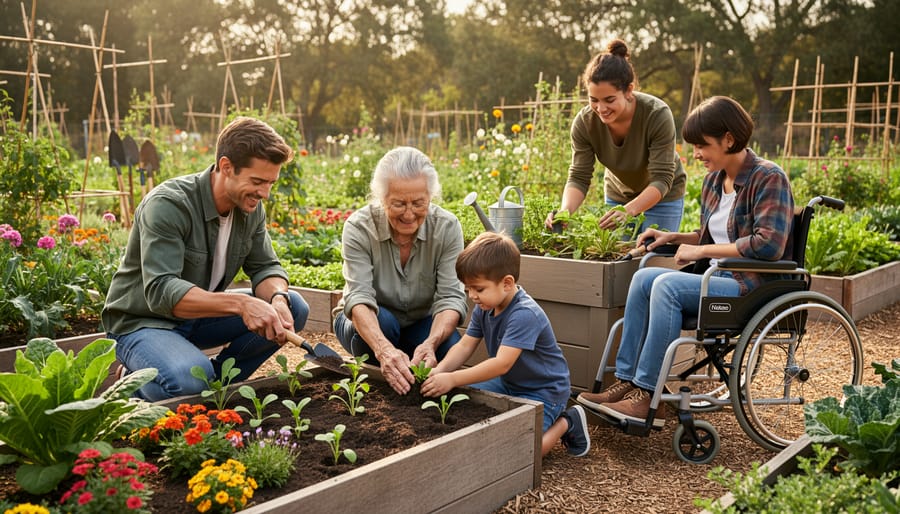
Accessibility matters tremendously. Install raised beds for wheelchair users and those with mobility challenges. Create paths wide enough for walkers and wheelchairs. Provide tools with ergonomic handles and consider lightweight options for members with limited strength.
Seasonal fluctuations are inevitable – people vacation, get busy, or hibernate in winter. Combat this by identifying core tasks that need consistent attention and recruiting “essential crew” members who commit to these regardless of season. Meanwhile, welcome casual participants who drop by when they can. Building this two-tier involvement prevents burnout while maintaining momentum year-round.
Social gardening isn’t just about growing vegetables or flowers—it’s about cultivating connections that enrich our lives in unexpected ways. Whether you’ve discovered a newfound passion for community plots or simply enjoy swapping seeds with your neighbor over the fence, you’ve tapped into something truly special. The beauty of this gardening approach is that it transforms solitary tasks into shared celebrations, turning everyday challenges into collective problem-solving adventures.
Ready to dig in? The hardest part is often just taking that first step. Check if your neighborhood has a community garden waiting for new members, or simply knock on a neighbor’s door and suggest starting a plant swap. Even small beginnings—like sharing extra tomato seedlings or comparing notes about stubborn aphids—can blossom into meaningful relationships and thriving green spaces.
Now we’d love to hear from you! Have you experienced the joy of gardening alongside others? What connections have you made, and what lessons has your social gardening journey taught you? Share your stories in the comments below. Your experiences might be exactly the inspiration another Plant Geek reader needs to start their own community gardening adventure today.