

AI go-to-market (GTM) platforms are transforming how garden centers, nurseries, and landscape businesses connect with customers through intelligent lead scoring, personalized outreach, and automated customer journeys. These tools analyze buying patterns from seasonal plant purchases, predict when a homeowner might need landscaping services based on property data, and send perfectly timed recommendations for native plants suited to specific USDA gardening zones. For a detailed comparison of which gtm platforms deliver the best results in 2026, see reviews.vc/listicle/best-ai-gtm-platforms.
I’ll admit, when I first heard “AI GTM platform” at a garden industry conference last spring, my eyes glazed over. But after watching my favorite local nursery start sending me personalized care reminders for the exact roses I’d purchased, and timely alerts about pest outbreaks in my area, I realized these platforms aren’t just tech buzzwords. They’re helping small garden businesses compete with big-box stores by remembering customer preferences, automating follow-ups, and creating those delightful moments when you get an email about the perfect companion plant right when you’re planning your next bed.
The seven use cases below show how AI GTM tools are quietly revolutionizing our corner of the gardening world, from smarter inventory forecasting that keeps your go-to cultivars in stock to chatbots that actually know the difference between powdery mildew and downy mildew. Whether you own a landscape firm or simply want to understand how your nursery is improving your shopping experience, you’ll find practical examples that make sense without a computer science degree.
How I Chose These Use Cases
I spent last spring visiting garden centers across three states, notebook in hand, curious about how the smallest operations were handling the digital shift. What struck me wasn’t the big chains with their sophisticated systems, it was watching Maria at Riverdale Nursery send perfectly timed frost warning emails, or seeing how Greenleaf Landscape automatically suggested the right mulch for every plant order.
These weren’t tech companies. They were gardeners running businesses, often with tiny teams.
I chose these seven use cases based on three criteria: they had to solve real problems that gardening businesses face daily, they needed to work for operations of different sizes (from solo landscape designers to multi-location garden centers), and most importantly, they had to make sense even if you’re not particularly tech-savvy. I’ve watched enough nursery owners glaze over at marketing jargon to know what matters here is tangible improvement, more repeat customers, less wasted inventory, better timing on promotions, not impressive-sounding features that collect dust.
The use cases below emerged from conversations with thirty garden business owners who actually use these platforms.
1. Smart Customer Segmentation for Seasonal Plant Promotions
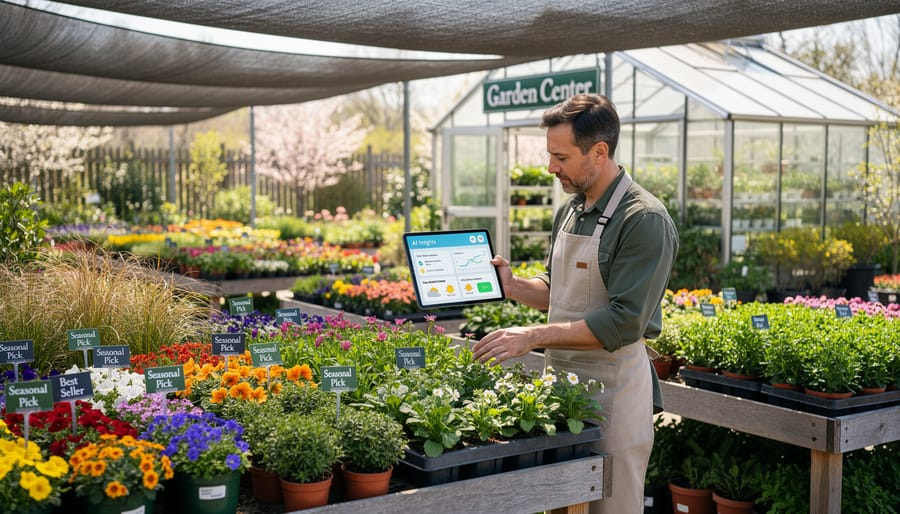
The beauty of AI customer segmentation is how it remembers what your customers can’t always articulate themselves. I watched my local independent nursery transform their spring promotions last year by letting their AI platform analyze purchase patterns rather than sending the same mailer to everyone. They discovered something fascinating: about 30% of their customers exclusively bought perennials and native plants, another group religiously purchased annuals for container gardens each May, and a third segment bounced between both depending on project needs.
This kind of insight used to require years of personal relationships and an exceptional memory. Now AI GTM platforms automatically tag customers based on actual buying behavior, tracking whether someone gravitates toward cottage garden perennials, xeriscaping succulents, or cutting garden annuals. The system notes purchase timing too, identifying the customers who shop early in spring versus the procrastinators who rush in after Mother’s Day.
What makes this particularly powerful for gardening businesses is regional timing. A nursery in zone 7 can automatically send different promotion schedules than one in zone 5, matching when customers actually plant. The AI tracks not just what customers buy, but when they’re ready to buy it based on local frost dates and historical shopping patterns.
I’ve seen garden centers use this to send perennial division reminders in early fall to customers who purchased mature hostas and daylilies years ago, or target native plant enthusiasts with new cultivar announcements. The promotions feel helpful rather than pushy because they’re genuinely relevant to what each customer grows.
2. Automated Email Campaigns Tied to Gardening Calendars
I’ve seen the difference these calendar-based campaigns make firsthand at my favorite local nursery. Last spring, I received an email three weeks before the last frost date reminding me it was time to start tomato seeds indoors. It referenced the heirloom varieties I’d bought the previous summer and suggested a seed-starting kit I actually needed. That’s the power of AI GTM platforms working behind the scenes.
These systems automatically trigger emails based on your customer’s ZIP code and what they’ve purchased before. When someone buys tomato plants in May, the platform schedules a fertilization reminder for mid-June, a pruning tip for July, and a blight-prevention message for August. It’s not generic advice, it’s tailored to their actual garden and their climate zone.
For nurseries that sell equipment alongside plants, these campaigns naturally connect products to seasonal needs. A customer who bought raised beds in March might get a June email about water irrigation pumps perfect for summer heat management. The timing transforms a sales pitch into genuinely helpful guidance.
The best part? Small garden centers can now compete with big-box stores on customer education without hiring a full marketing team. The AI handles the scheduling, personalization, and delivery while the business owner focuses on what they do best, helping plants thrive. Customers start viewing these emails as their personal gardening assistant rather than promotional noise, which means higher open rates and more foot traffic when it matters most.
This builds trust that extends beyond transactions. You become the expert they turn to throughout the growing season.
3. Predictive Inventory Management for Plant Stock
Plant inventory presents unique challenges that keep nursery owners up at night. Unlike hardware or tools, living plants have expiration dates. A flat of petunias that doesn’t sell in three weeks becomes compost, not next season’s profit.
AI-driven inventory management tackles this problem by analyzing patterns most humans would miss. The system pulls together seemingly unconnected data points: last spring’s unusually wet April that killed tomato plant sales, the heatwave in July that tripled succulent demand, and the Instagram hashtag that suddenly made fiddle-leaf figs the must-have houseplant.
I watched this in action at a regional nursery chain. Their buyer used to order based on gut feeling and last year’s numbers. Now their AI platform cross-references five years of sales data with extended weather forecasts, social media plant trends, and even local housing starts (new homeowners buy foundation plantings). The result? They cut unsold annual waste by 40% while rarely running out of hot items.
The benefits extend beyond just avoiding dead inventory:
- Automated reordering triggers based on actual sales velocity, not fixed schedules
- Variety-level forecasting that predicts demand for specific cultivars, not just general categories
- Seasonal adjustment that accounts for regional growing zone differences
- Markdown timing suggestions that move aging stock before it becomes unsaleable
- Supplier coordination that optimizes delivery schedules around predicted demand spikes
For landscape contractors, similar AI analysis predicts project material needs based on proposal conversion rates and typical installation timelines. A crew that historically closes 30% of spring consultations can pre-order materials with confidence rather than scrambling or over-committing greenhouse space.
The technology isn’t about replacing the experienced plantsperson’s eye. It’s about giving that expertise a data backbone, freeing up mental energy for customer service rather than spreadsheet anxiety.
4. Personalized Product Recommendations at Scale
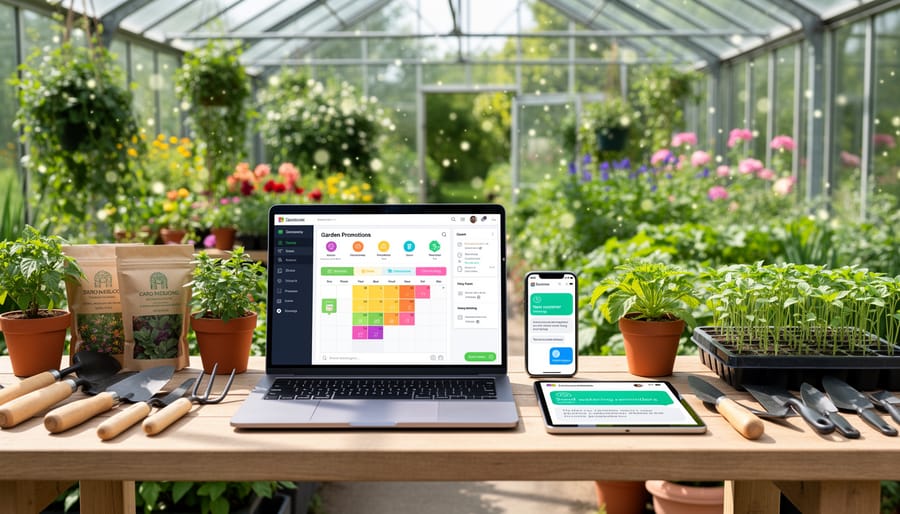
When someone adds tomato seedlings to their cart at midnight, an AI GTM platform can instantly suggest basil, marigolds for pest control, and a balanced organic fertilizer, exactly what a veteran garden center staffer would recommend during a Saturday morning conversation. That’s personalized product recommendations at scale, and it’s transforming how gardening businesses serve customers online.
These platforms analyze thousands of successful plant pairings and purchases to understand what actually works together. If a customer buys a climbing rose, the system might suggest a sturdy obelisk trellis, rose-specific fertilizer, and perhaps some low-growing catmint to plant at its base. The AI learns from your business’s sales patterns: which customers who bought shade-loving hostas also picked up Japanese forest grass, or how often people purchasing container gardening supplies need potting mix and slow-release fertilizer.
What makes this powerful is context sensitivity. The platform knows whether a beginner ordered their first vegetable seeds or an experienced gardener just bought specialty grafting tools, and adjusts suggestions accordingly. Someone new to gardening gets simpler companion plant pairings and basic care items, while the enthusiast sees rare cultivars and specialized amendments.
I’ve watched this work beautifully for a regional nursery that used to rely entirely on staff knowledge. Their online conversion rate jumped when customers started receiving relevant add-on suggestions that genuinely helped their gardens succeed. The platform even incorporates timing, recommending spring bulbs in late summer when planting season approaches, not in March when it’s too late.
For businesses offering garden education content alongside products, AI connects articles about specific plants with related inventory, creating a seamless path from learning to buying without feeling pushy.
5. Lead Scoring for Landscape Design Services
I learned about lead scoring’s power when I visited a landscape design firm near Seattle that was drowning in inquiries but starving for actual projects. They’d redesigned their website, added a portfolio gallery, and suddenly received forty contacts monthly, yet only three turned into paying clients. The owner spent hours on calls with people who “just wanted a ballpark figure” or were “gathering ideas for maybe next year.” Sound familiar?
AI GTM platforms changed everything by scoring each lead based on behavior patterns that signal serious intent. The system tracked which pages visitors explored, how long they spent reviewing completed projects, whether they downloaded the firm’s design guide, and how they found the site. Someone who views five portfolio projects, reads the design process page twice, and fills out the detailed consultation form? High score. Someone who bounces from the homepage after fifteen seconds? Low priority.
The landscape firm now sees that lead scoring improves conversions by focusing their design consultations on prospects already mentally invested. They respond within an hour to high-scoring leads while sending automated nurture emails to lower-scoring contacts who might become ready in three months.
What surprised them most was discovering that inquiries from social gardening community members converted at twice the average rate, these people already valued outdoor spaces and understood quality design. The AI platform identified this pattern long before the firm’s intuition caught up.
For design-build companies with consultation fees and project minimums, this filtering protects both time and energy. You’re not ignoring anyone, you’re responding proportionally to genuine interest signals, which means better service for serious clients and less frustration all around.
6. Content Personalization for Gardening Education
I’ve watched this transformation happen on several nursery websites I frequent. Last spring, I visited a regional plant retailer’s site while researching drought-tolerant perennials. When I returned a week later, their homepage featured an entire section on xeriscaping and water-wise gardening, content that hadn’t been prominent during my first visit. That’s content personalization at work.
AI GTM platforms analyze visitor behavior to serve the most relevant educational content. If someone searches for “shade plants” and lingers on hostas, the system remembers. Their next visit might highlight an article about designing layered shade gardens or a guide to companion planting under trees. A beginner who clicks “how to plant tomatoes” gets directed toward foundational content about soil preparation and hardening off seedlings, while experienced growers see advanced techniques for pruning indeterminate varieties or managing blossom end rot.
Climate zone adaptation makes this particularly powerful for gardening businesses. When you enter your zip code or the platform detects your location, growing guides automatically adjust planting dates, variety recommendations, and care instructions. A gardener in Zone 5 sees content about protecting roses through harsh winters, while Zone 9 visitors get tips on managing heat stress and providing afternoon shade.
This creates genuine value beyond marketing. Instead of generic blog posts everyone sees regardless of relevance, visitors find content that speaks directly to their situation. They spend more time on the site, return more often, and begin to see the business as their go-to resource rather than just another retailer. The community-building happens naturally when content consistently answers the exact questions each gardener is asking.
7. Multi-Channel Campaign Coordination Across Seasons
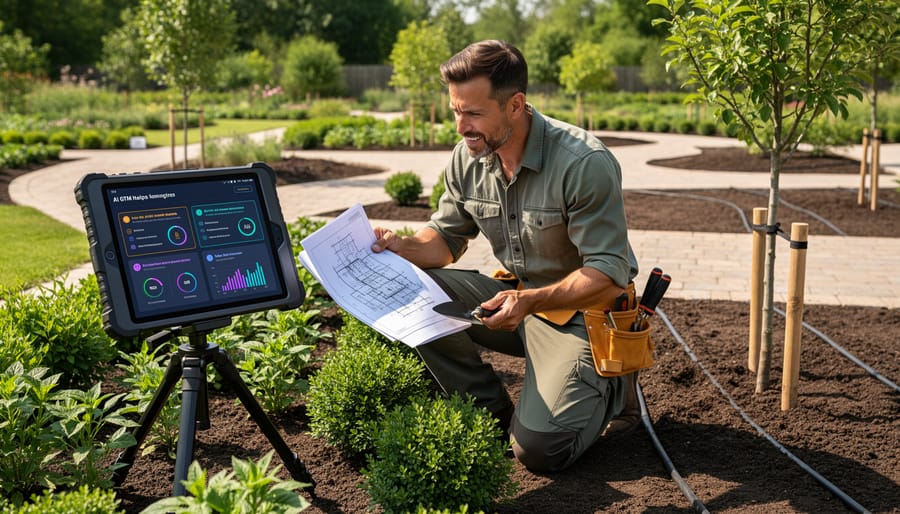
Running a garden center means juggling promotions across wildly different seasons, each with its own messaging needs. One week you’re pushing spring vegetable seedlings via email, the next you’re announcing a summer container sale on Instagram, then pivoting to fall bulb reminders through text messages. For small teams, keeping this coordination consistent without dropping balls or sending contradictory messages feels nearly impossible.
AI GTM platforms solve this by acting as a central nervous system for your seasonal campaigns. Instead of manually scheduling separate email blasts, social posts, SMS alerts, and in-store signage that may or may not align, the platform coordinates everything from one dashboard. You set your overarching campaign theme, say, “Spring Planting Kickoff”, and the AI adapts the core message for each channel while maintaining timing consistency.
The seasonal intelligence makes a real difference for gardening businesses. The platform recognizes that your spring rush in Georgia happens six weeks before Minnesota, adjusting campaign timing automatically by customer location. When you launch a “Tomato Week” promotion, it simultaneously updates your email newsletter, schedules coordinating Instagram stories, triggers SMS alerts to customers who bought tomato cages last year, and even generates suggested copy for your in-store chalkboards.
This coordination prevents the common problem of customers seeing one promotion in your store while receiving emails about something entirely different, which erodes trust. It also stops your team from working weekends to manually synchronize everything. The platform handles repetitive seasonal campaigns year after year, learning which timing and channel combinations worked best previously and suggesting improvements.
For businesses with two or three staff members managing everything from plant care to marketing, this automation means maintaining professional, consistent communication throughout the long gardening season without burning out.
What This Means for Garden Businesses and Enthusiasts
The beauty of AI GTM platforms is how they level the playing field. Your neighborhood garden center or small online seed shop can now deliver the kind of personalized experience that used to require a massive marketing department and corporate budget. What once seemed like magic, knowing exactly when to remind a customer about their tomato transplanting window or suggesting the perfect companion plant, is now accessible technology that small teams can actually use.
For us as gardening enthusiasts, this means better service from the businesses we love. Instead of generic promotions, we get timely advice matched to our actual growing conditions. Instead of overwhelming catalogs, we see products that actually fit our gardens. The local nursery that remembers you’re zone 7b and prefer native perennials isn’t just being friendly anymore, they’re using smart tools to serve you better.
If you’re running a garden business or work in the industry, I’d love to hear how you’re using these platforms. What’s working? What feels like overkill? Drop your experiences in the comments, this community thrives when we share what we’re learning, whether that’s about soil amendments or marketing automation.
Common Questions About AI GTM Platforms for Gardening Businesses
I hear the same questions at every garden industry meetup whenever AI marketing platforms come up. The concerns are surprisingly consistent whether I’m talking to a third-generation nursery owner or someone launching their first online plant shop.
How much do these platforms actually cost for a small garden center?
Entry-level AI GTM platforms start around $50-200 monthly for basic features, with many offering seasonal business pricing that pauses or reduces fees during dormant months. Most provide free trials so you can test before committing during your busy spring season.
Do I need technical skills to run these platforms?
No coding required, most platforms use drag-and-drop interfaces and pre-built templates specifically designed for retail businesses. If you can manage your current email newsletter or social media, you can handle these tools.
Will these platforms work with my existing POS and website?
Reputable AI GTM platforms integrate with common garden center systems like Square, Shopify, and major nursery-specific POS systems through simple connections. Check the integration list before signing up to confirm your current tools are supported.
What happens to my customer data?
Quality platforms comply with privacy regulations and let you control data usage, customers can opt out of tracking, and you own your customer list. Read the privacy policy and choose platforms that don’t sell customer information to third parties.
Can these platforms handle our seasonal peaks and quiet winters?
Yes, that’s actually an advantage, AI learns your seasonal patterns and adjusts campaigns automatically. Some platforms offer seasonal pricing specifically for businesses like garden centers that see dramatic swings between spring rush and winter dormancy.
The learning curve is gentler than you might expect. Most garden center owners I know get comfortable with basic features within a couple weeks, usually during slower winter months when they have time to experiment. Start with one simple campaign, like a spring planting reminder based on last year’s customers, and expand from there as you see results.
The biggest mental shift isn’t technical. It’s trusting the AI to handle tasks you’ve always done manually, like deciding which customers get which emails. Once you see it working, customers responding to perfectly-timed recommendations they actually want, the technology stops feeling intimidating and starts feeling like the helpful assistant you’ve always needed during peak season.